









Collection: Energy Star Ceiling Fans
Discover Smafan’s energy efficient ceiling fans, all ENERGY STAR certified to cut energy use and lower bills without sacrificing comfort. Advanced DC motors provide whisper-quiet, powerful airflow for living rooms...
Load MoreFilter By
25 products
-

 Icebreaker 60 inch Smart Ceiling Fan with Integrated LED Light and Remote
Icebreaker 60 inch Smart Ceiling Fan with Integrated LED Light and Remote
- Regular price
-
From
$152.10 - Regular price
-
$399.00 - Sale price
-
From
$152.10
10% couponQuick view
-

 Icebreaker 56 inch Smart Ceiling Fan with LED Light and Remote
Icebreaker 56 inch Smart Ceiling Fan with LED Light and Remote
- Regular price
-
From
$159.00 - Regular price
-
$390.00 - Sale price
-
From
$159.00
Quick view
-

 Voyager Outdoor Smart Ceiling Fan with Dimmable LED Light Remote 52 inch
Voyager Outdoor Smart Ceiling Fan with Dimmable LED Light Remote 52 inch
- Regular price
-
From
$139.00 - Regular price
-
$346.00 - Sale price
-
From
$139.00
flash saleQuick view
-

 Icebreaker 52 inch Smart Ceiling Fan with LED Light and Remote
Icebreaker 52 inch Smart Ceiling Fan with LED Light and Remote
- Regular price
-
From
$159.00 - Regular price
-
$384.00 - Sale price
-
From
$159.00
Quick view
-

 Trailblazer Outdoor Smart Fan with Bright LED Light and Remote 56 inch
Trailblazer Outdoor Smart Fan with Bright LED Light and Remote 56 inch
- Regular price
-
From
$99.00 - Regular price
-
$340.00 - Sale price
-
From
$99.00
flash saleQuick view
-

-

 Essex Smart Outdoor Ceiling Fan with Dimmable LED Light Remote 52 Inch
Essex Smart Outdoor Ceiling Fan with Dimmable LED Light Remote 52 Inch
- Regular price
-
From
$141.10 - Regular price
-
$299.00 - Sale price
-
From
$141.10
15% couponQuick view
-
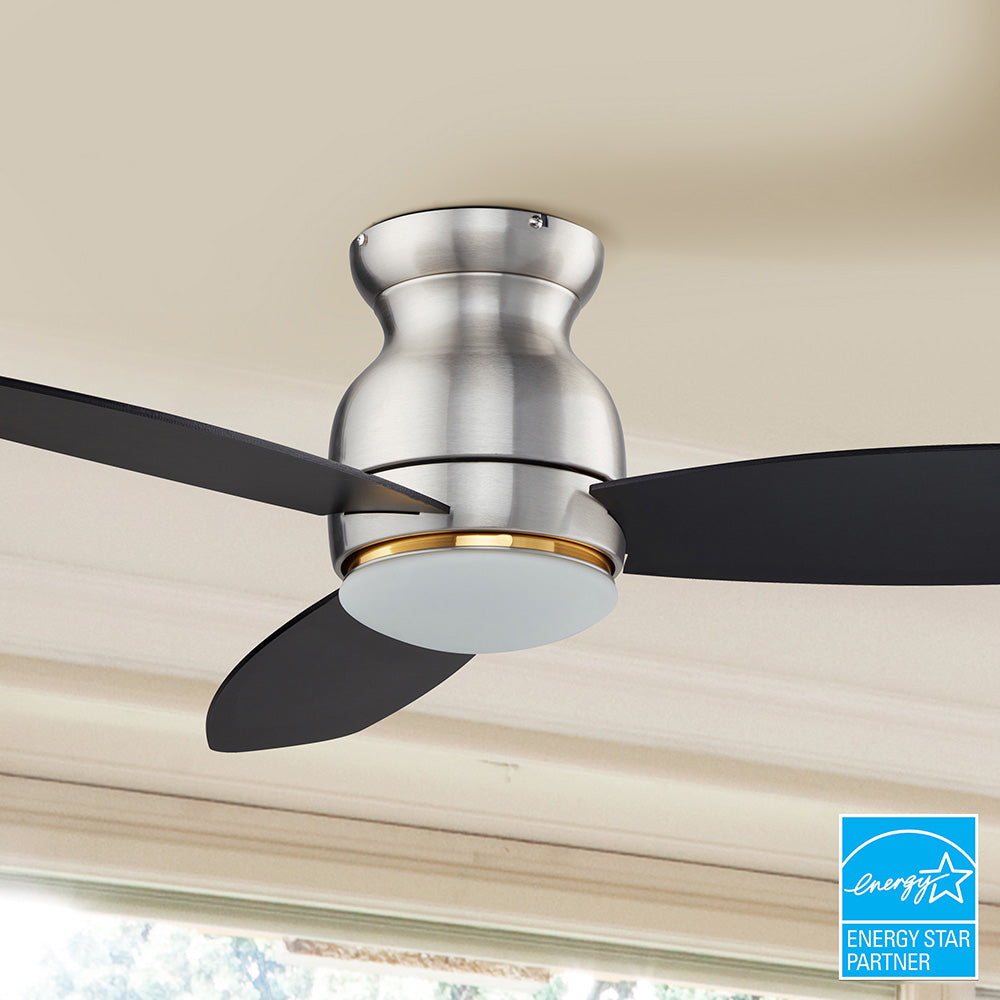
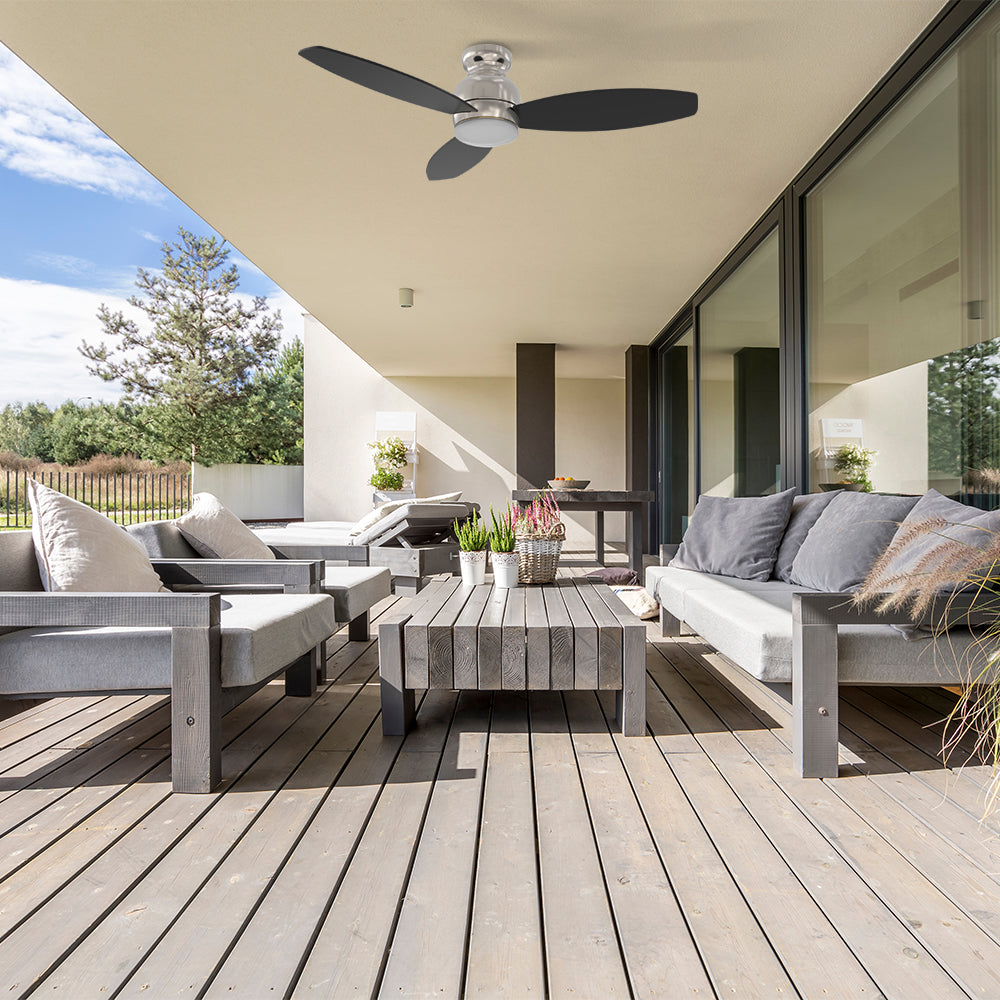 Trendsetter Low Profile Outdoor Smart Fan with LED Light Remote 52 inch
Trendsetter Low Profile Outdoor Smart Fan with LED Light Remote 52 inch
- Regular price
-
From
$143.65 - Regular price
-
$298.00 - Sale price
-
From
$143.65
15% couponQuick view
-
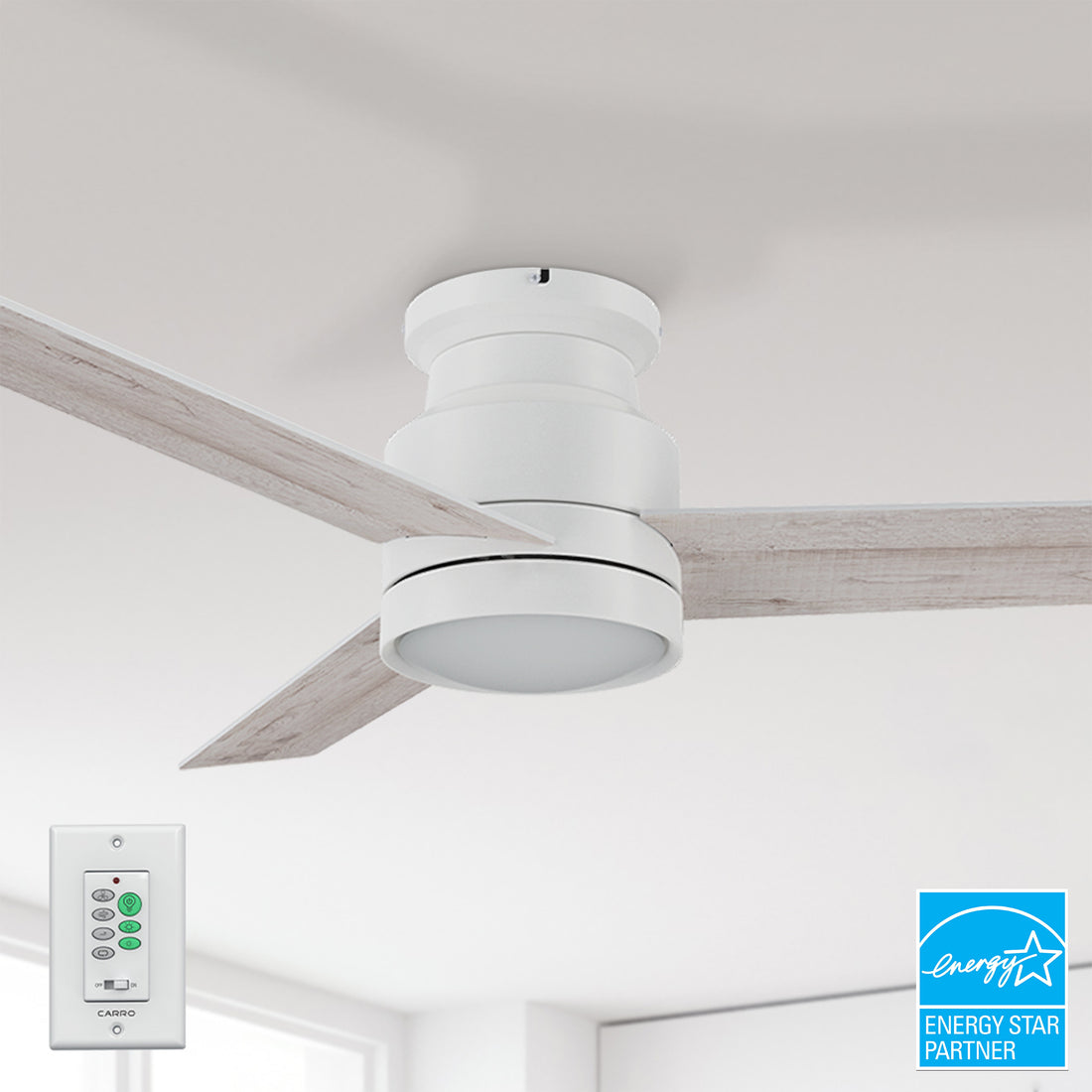
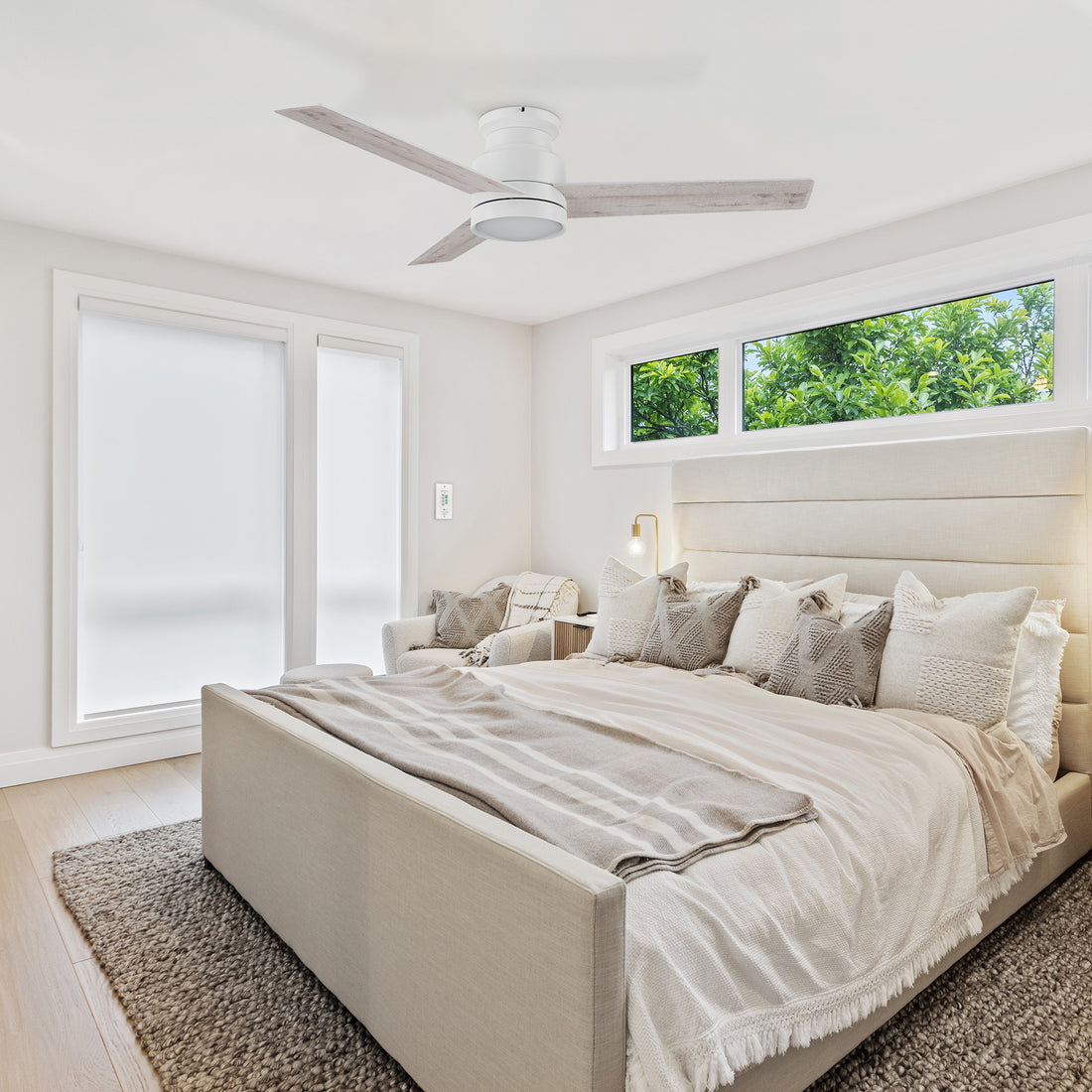 Ariccia 52 inch Flush Mount Ceiling Fan with LED Light and Wall Switch
Ariccia 52 inch Flush Mount Ceiling Fan with LED Light and Wall Switch
- Regular price
-
$149.00 - Regular price
-
$219.00 - Sale price
-
$149.00
$50 couponQuick view
-

 Trailblazer Outdoor Smart Ceiling Fan with LED Light and Remote 52 inch
Trailblazer Outdoor Smart Ceiling Fan with LED Light and Remote 52 inch
- Regular price
-
From
$159.00 - Regular price
-
$336.00 - Sale price
-
From
$159.00
Quick view
-

 Trendsetter Outdoor Low Profile Smart Fan with LED Light Remote 48 inch
Trendsetter Outdoor Low Profile Smart Fan with LED Light Remote 48 inch
- Regular price
-
From
$152.10 - Regular price
-
$288.00 - Sale price
-
From
$152.10
10% couponQuick view
-

 Biscay Pro Outdoor Flush Mount Smart Ceiling Fan with Led light remote 52 inch
Biscay Pro Outdoor Flush Mount Smart Ceiling Fan with Led light remote 52 inch
- Regular price
-
From
$159.00 - Regular price
-
$249.00 - Sale price
-
From
$159.00
flash saleQuick view
-
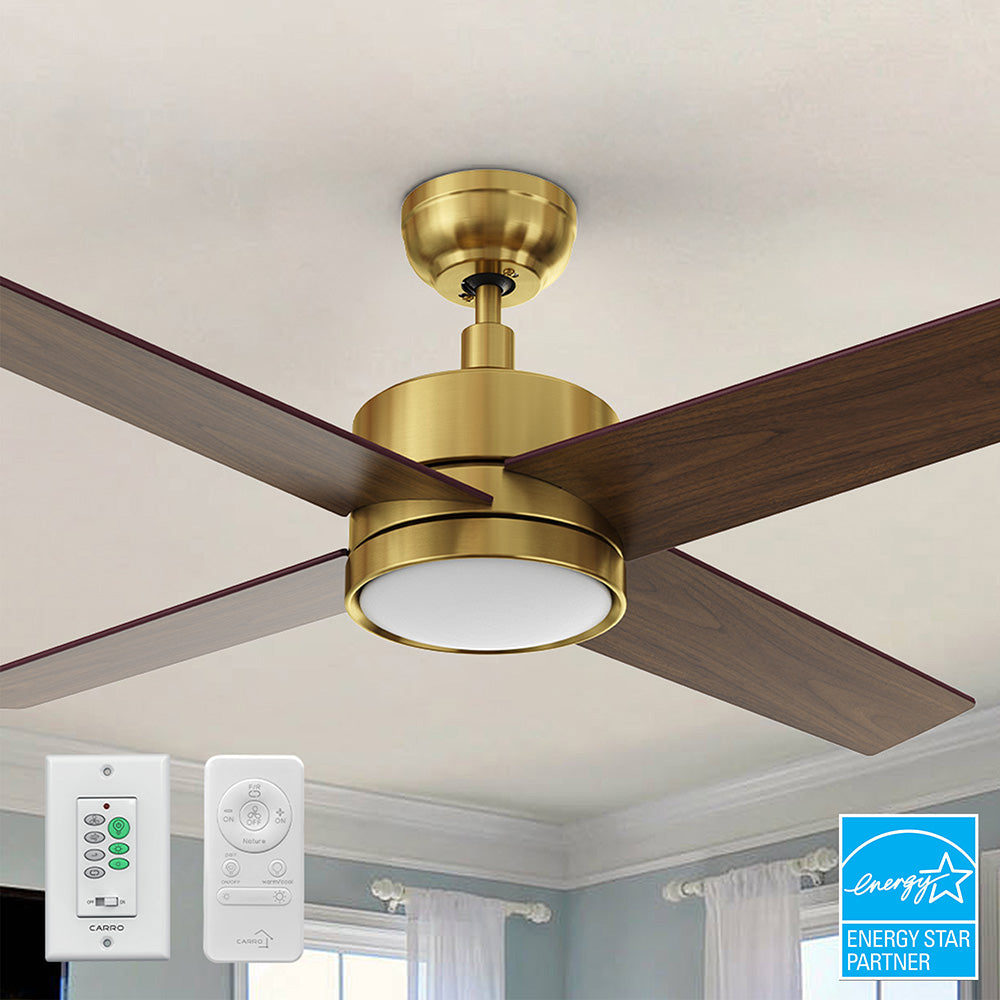
 Rossendale LED Lighting Ceiling Fan with Remote and Wall Control 52 inch
Rossendale LED Lighting Ceiling Fan with Remote and Wall Control 52 inch
- Regular price
-
From
$192.00 - Regular price
-
$259.00 - Sale price
-
From
$192.00
flash saleQuick view
-

 Louy 52 inch Modern Ceiling Fan with LED Light and Wall Switch
Louy 52 inch Modern Ceiling Fan with LED Light and Wall Switch
- Regular price
-
$129.00 - Regular price
-
$179.00 - Sale price
-
$129.00
$50 couponQuick view
-
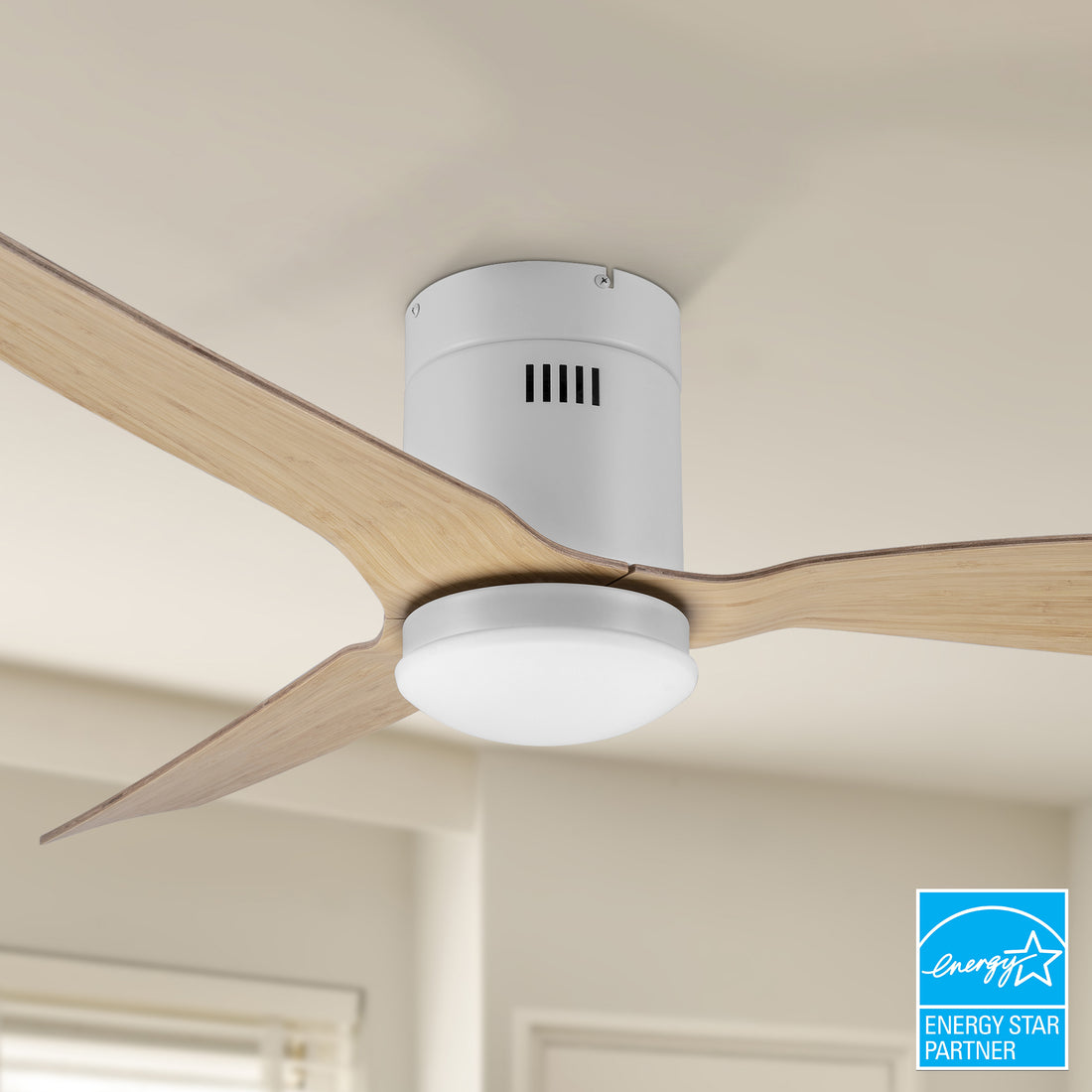
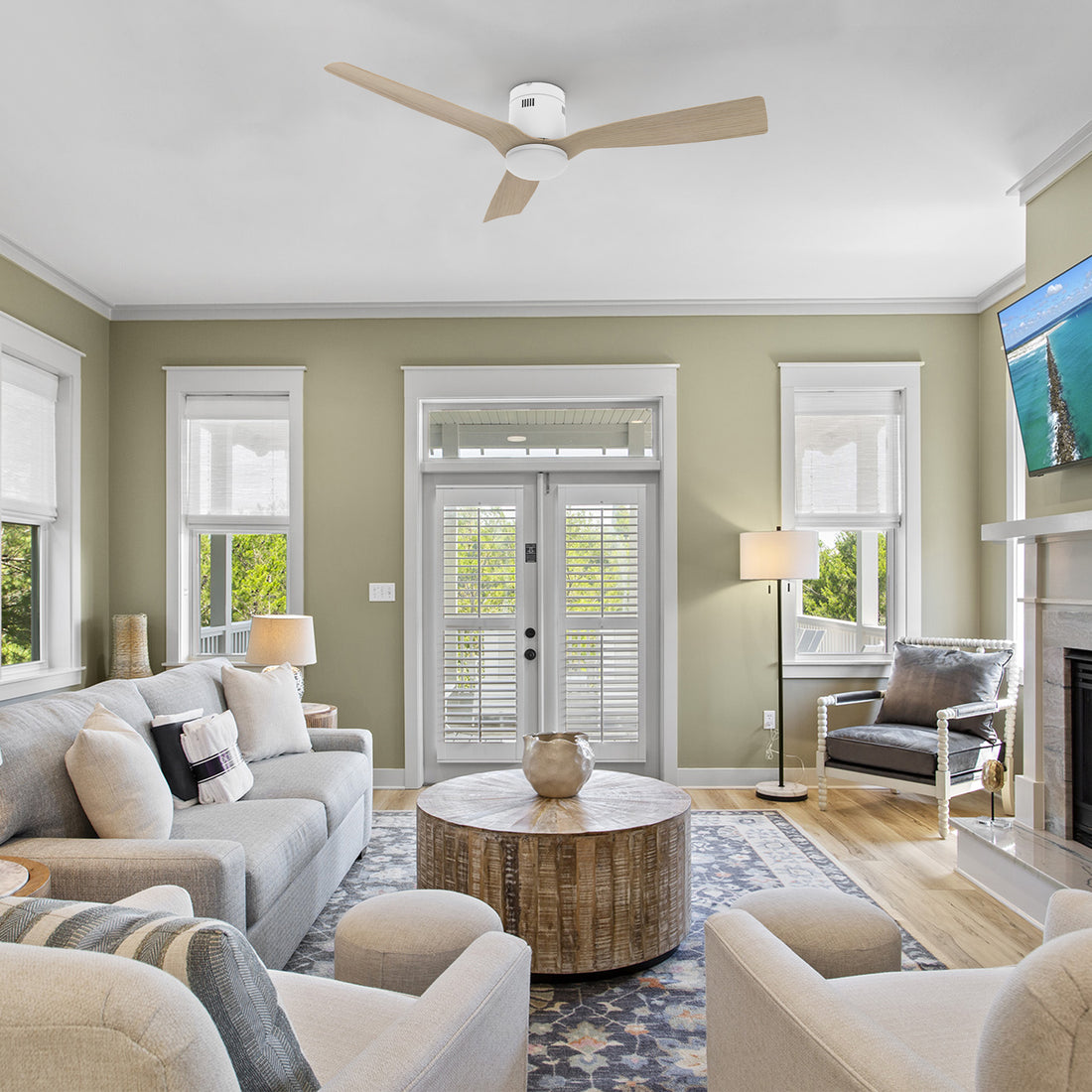 Elite Low Profile Smart Fan with LED Light Remote 52" Indoor
Elite Low Profile Smart Fan with LED Light Remote 52" Indoor
- Regular price
-
$219.00 - Regular price
-
$299.00 - Sale price
-
$219.00
Quick view
-
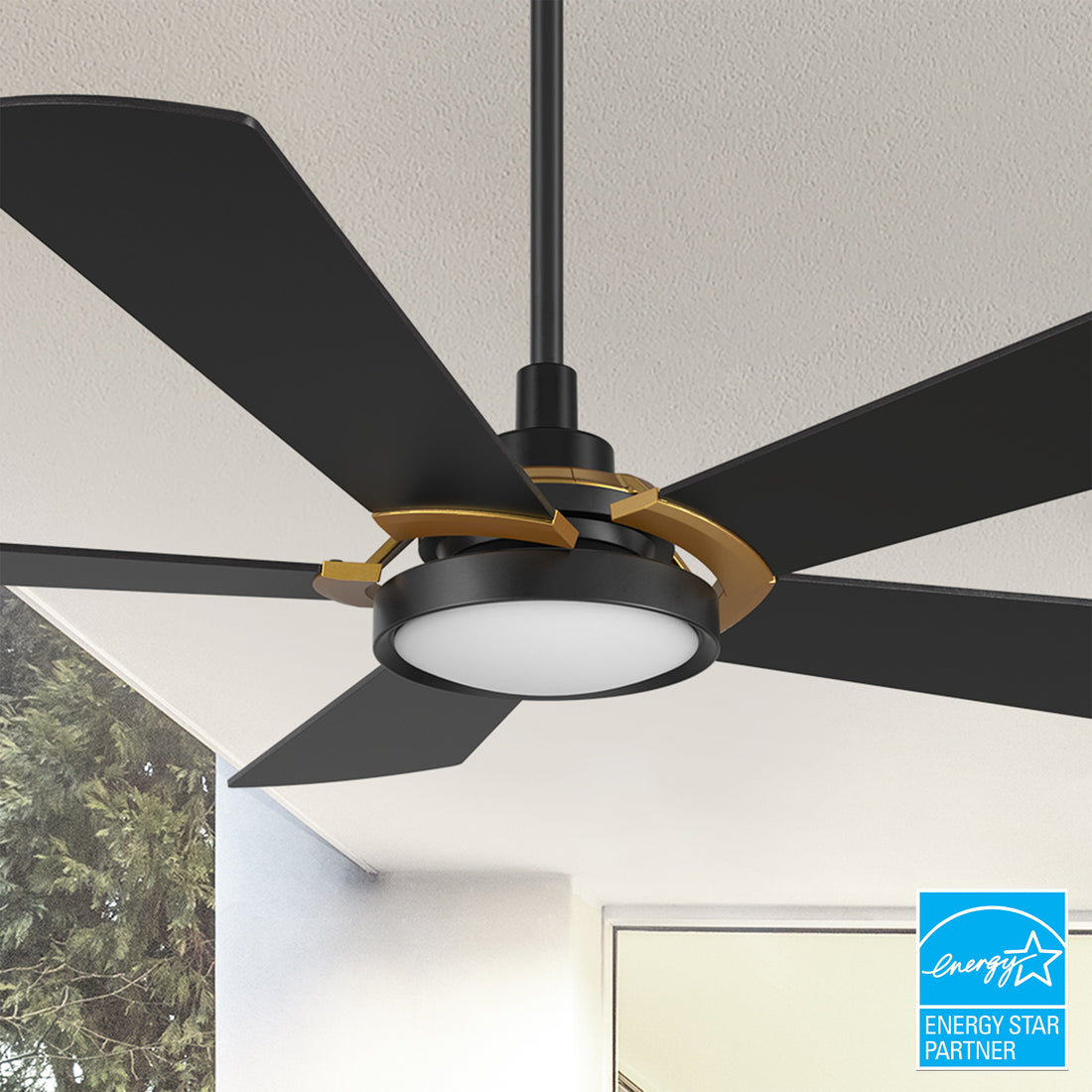
 Wilkes Outdoor Ceiling Fan with Dimmable LED Light Remote-Smart 56 inch
Wilkes Outdoor Ceiling Fan with Dimmable LED Light Remote-Smart 56 inch
- Regular price
-
$161.10 - Regular price
-
$349.00 - Sale price
-
$161.10
10% couponQuick view
-
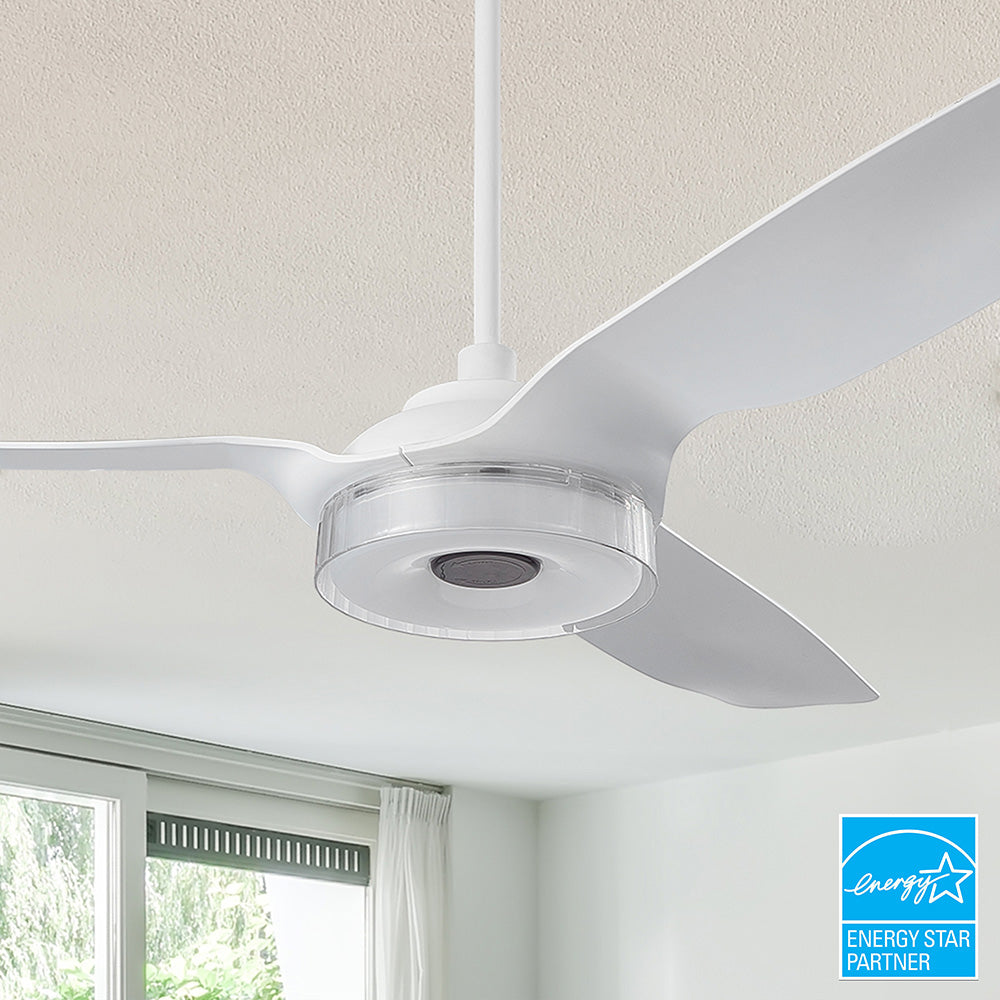
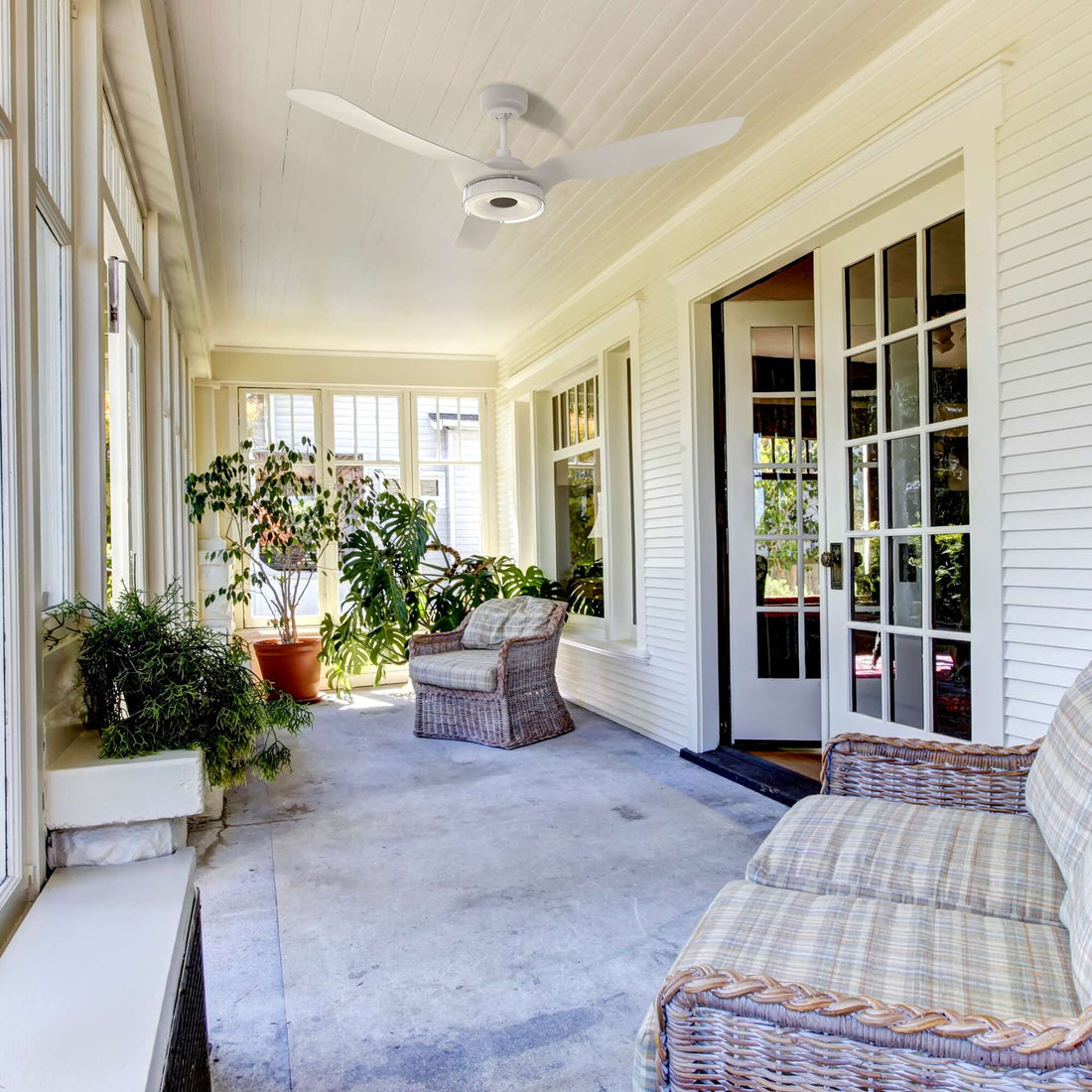 Icebreaker 60 inch Smart Ceiling Fan with LED Light and Remote- Set of 2
Icebreaker 60 inch Smart Ceiling Fan with LED Light and Remote- Set of 2
- Regular price
-
From
$319.00 - Regular price
-
$758.10 - Sale price
-
From
$319.00
Quick view
-
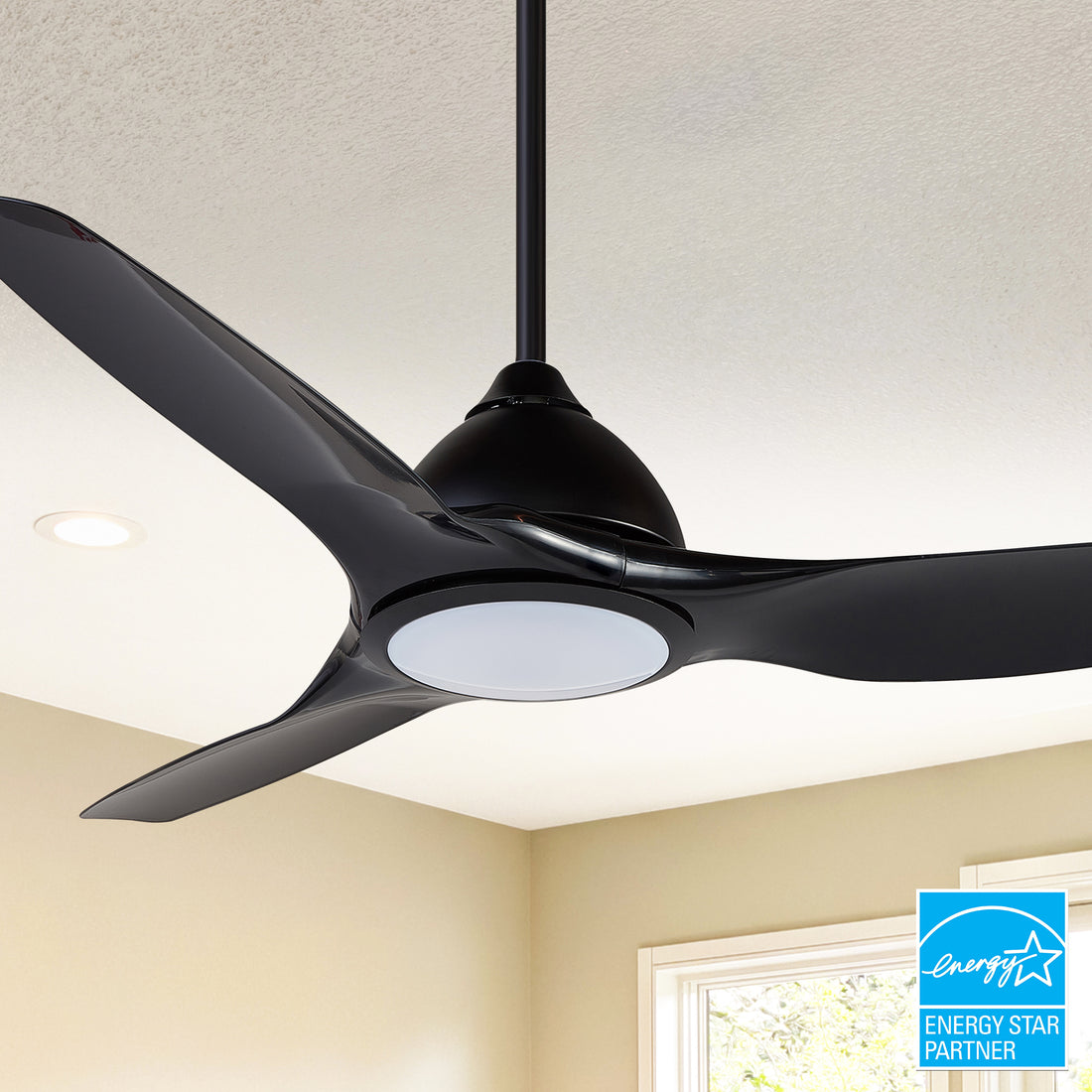
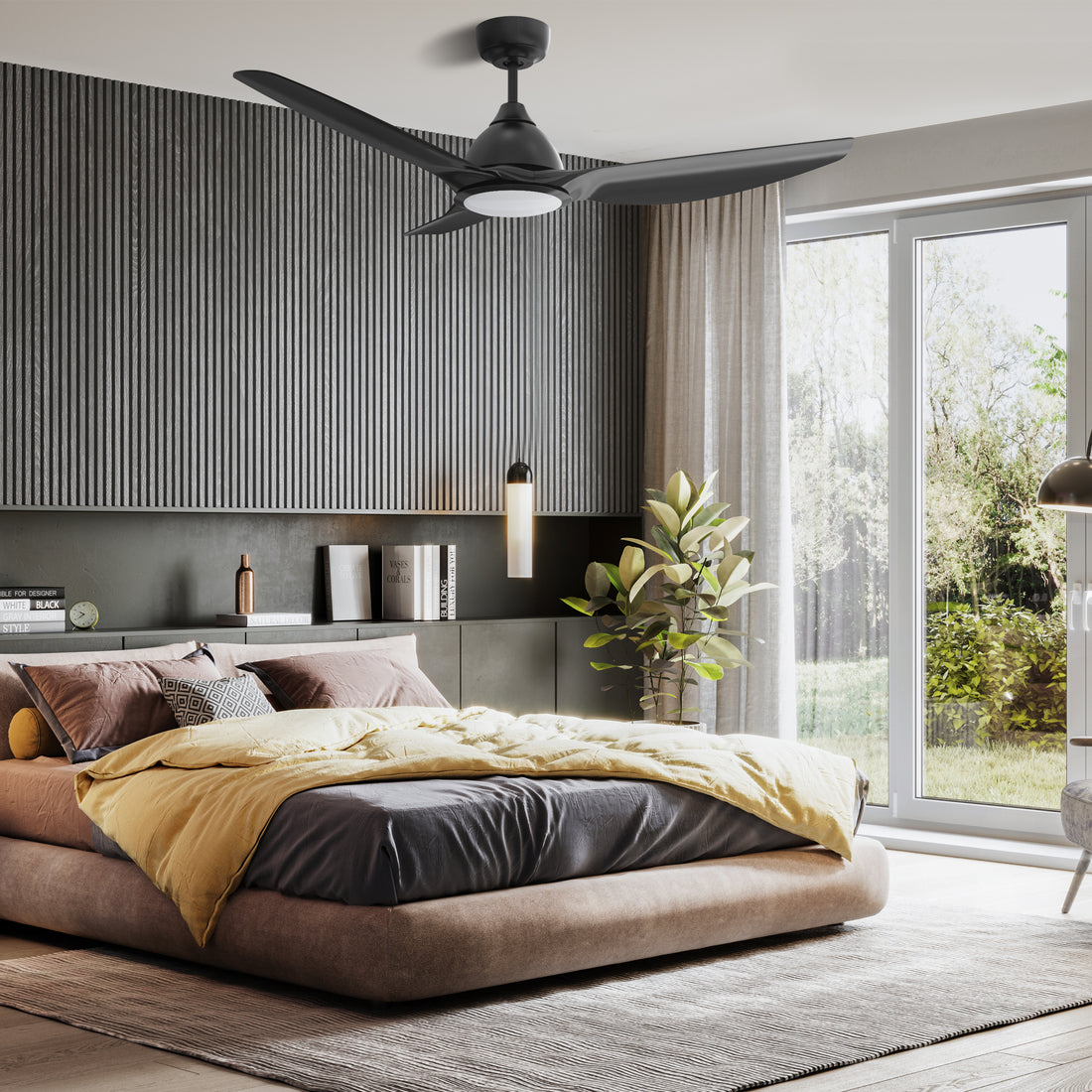 Cresta 52 inch Smart Ceiling Fan with Integrated LED Light and Remote
Cresta 52 inch Smart Ceiling Fan with Integrated LED Light and Remote
- Regular price
-
$89.00 - Regular price
-
$289.00 - Sale price
-
$89.00
flash saleQuick view
-
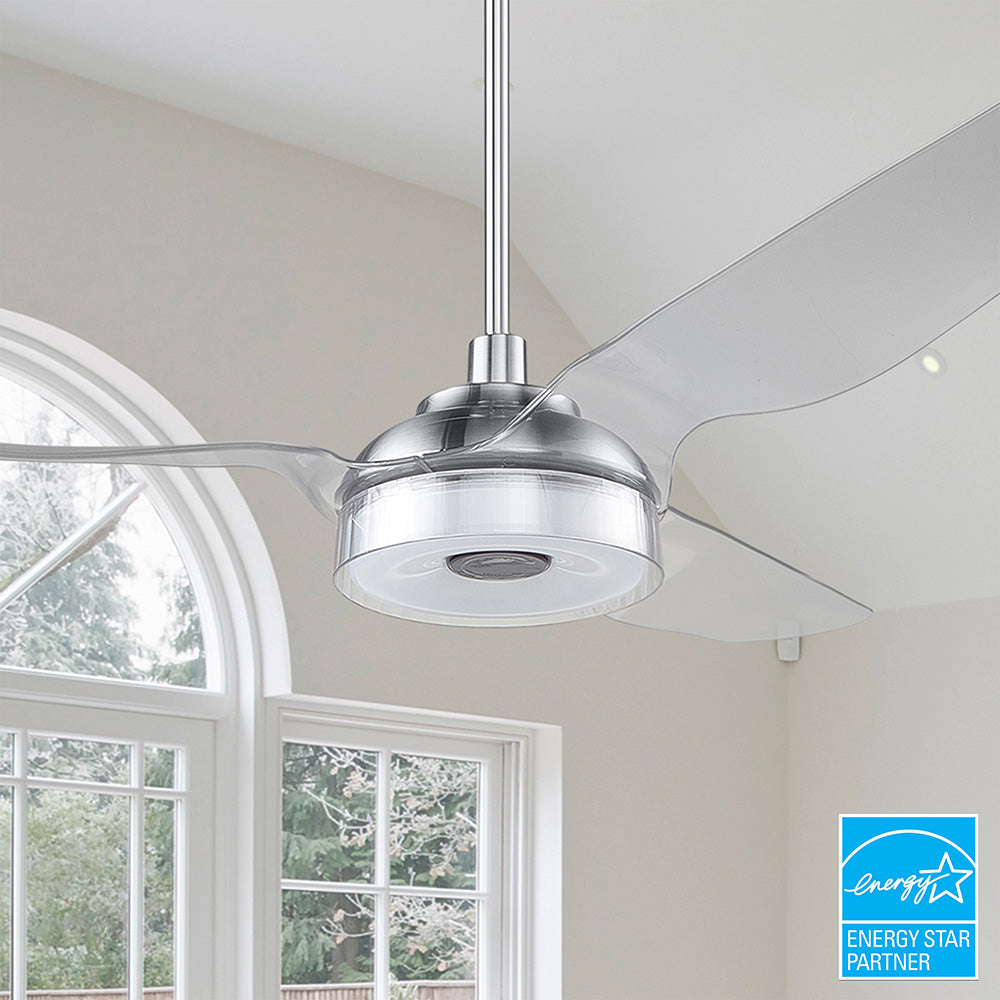
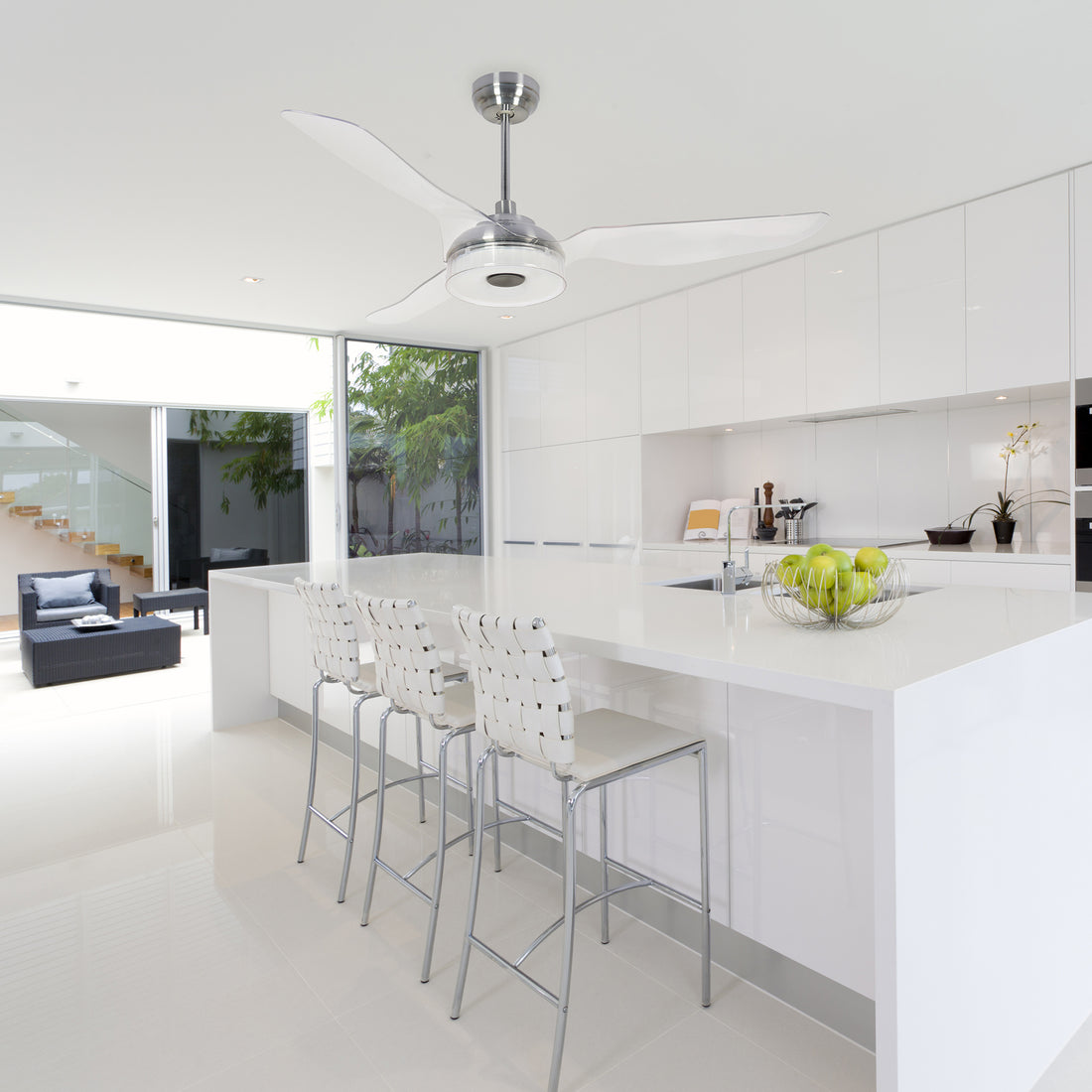 Icebreaker 56 inch WiFi Smart Ceiling Fan with LED Light - Set of 2
Icebreaker 56 inch WiFi Smart Ceiling Fan with LED Light - Set of 2
- Regular price
-
From
$299.00 - Regular price
-
$741.00 - Sale price
-
From
$299.00
flash saleQuick view
-
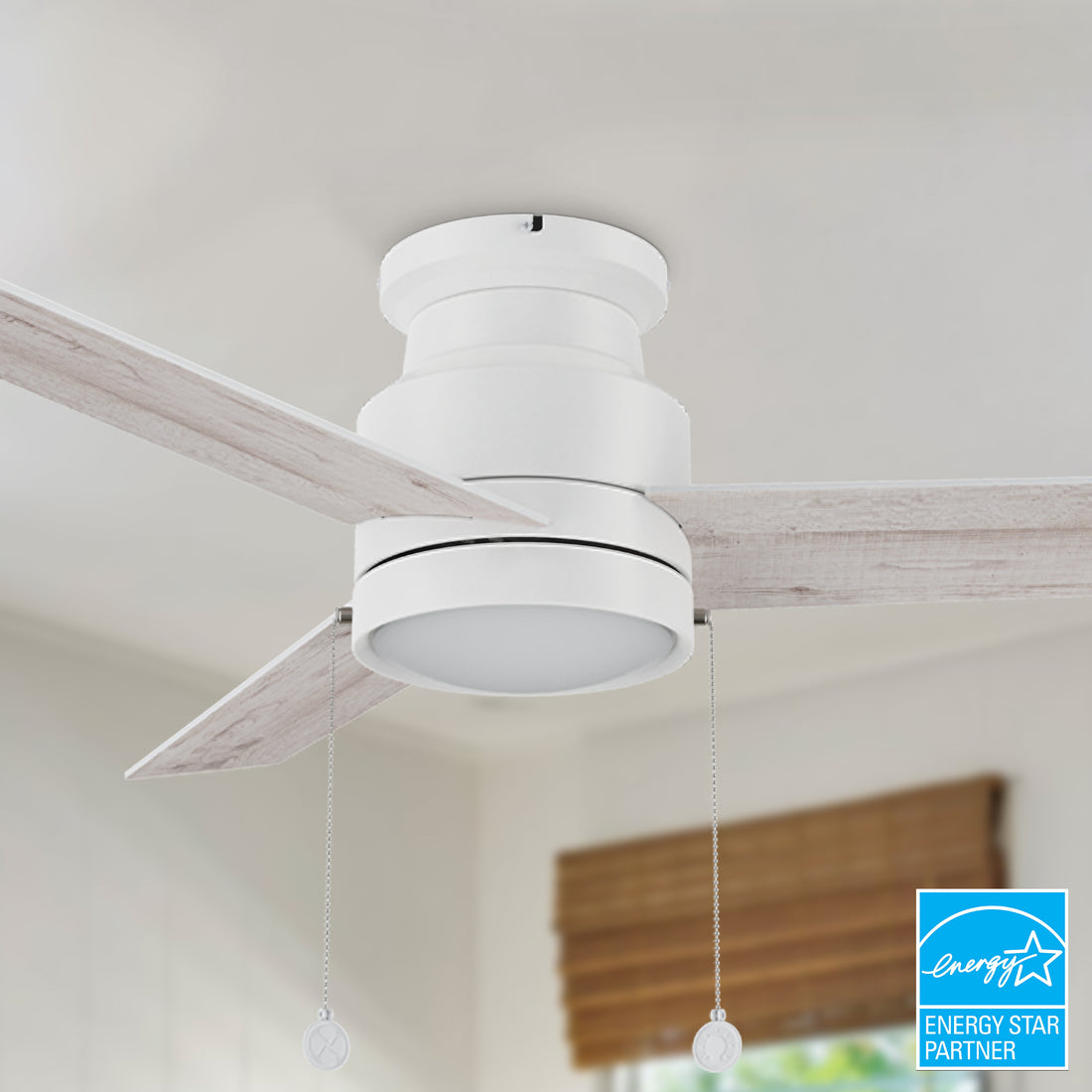
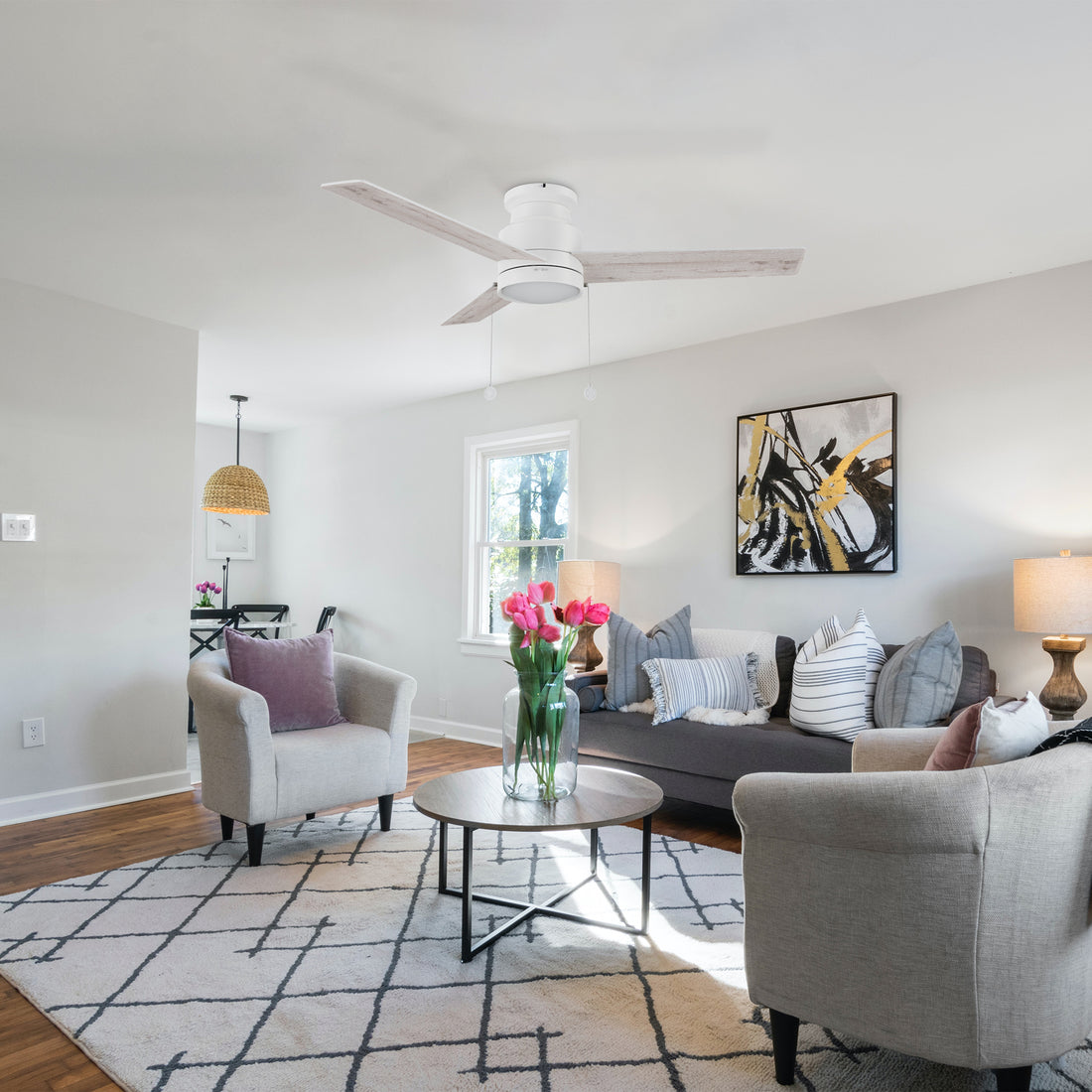 Rieti 52 inch Low Profile Ceiling Fan with LED Light
Rieti 52 inch Low Profile Ceiling Fan with LED Light
- Regular price
-
$159.00 - Regular price
-
$159.00 - Sale price
-
$159.00
bulk savingQuick view
-
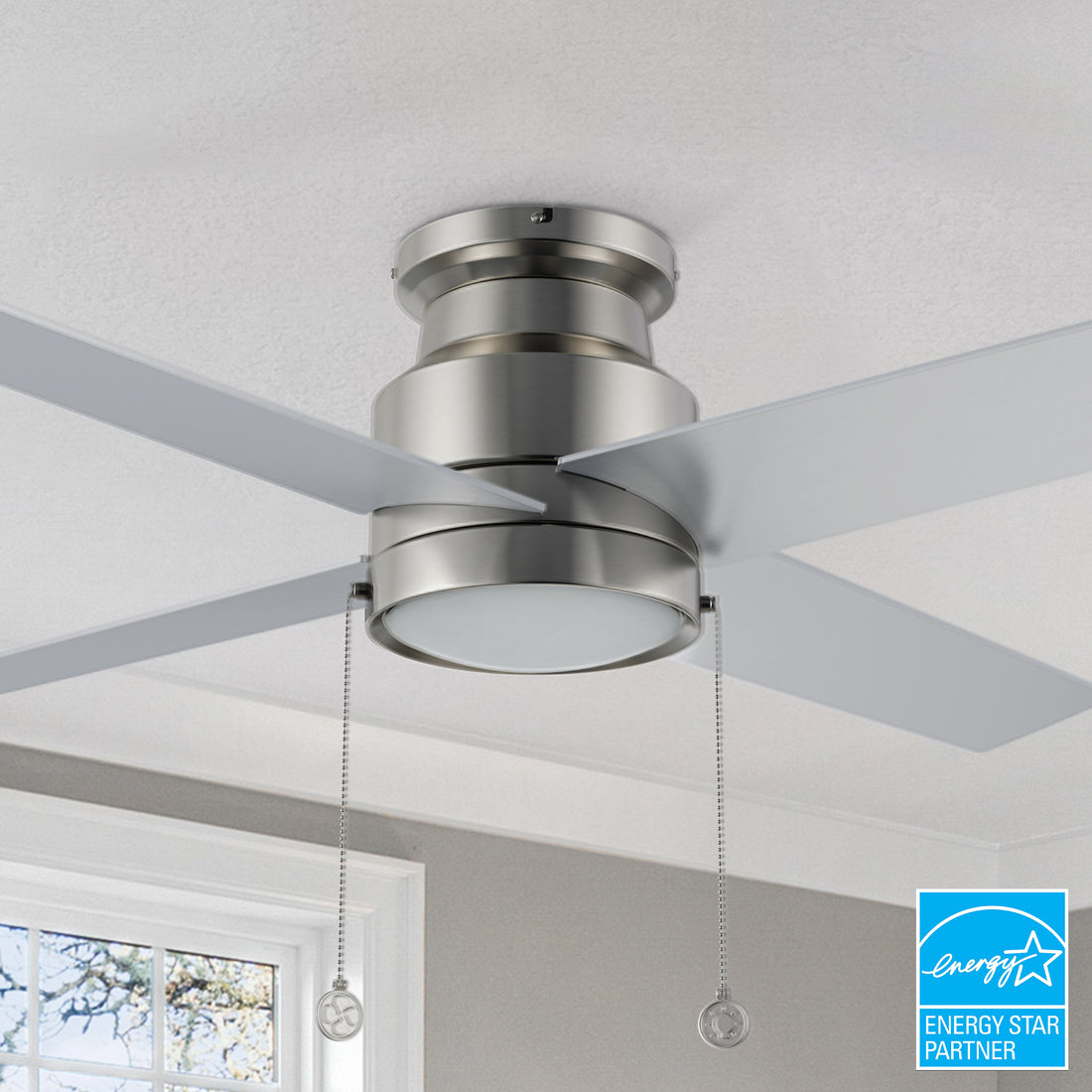
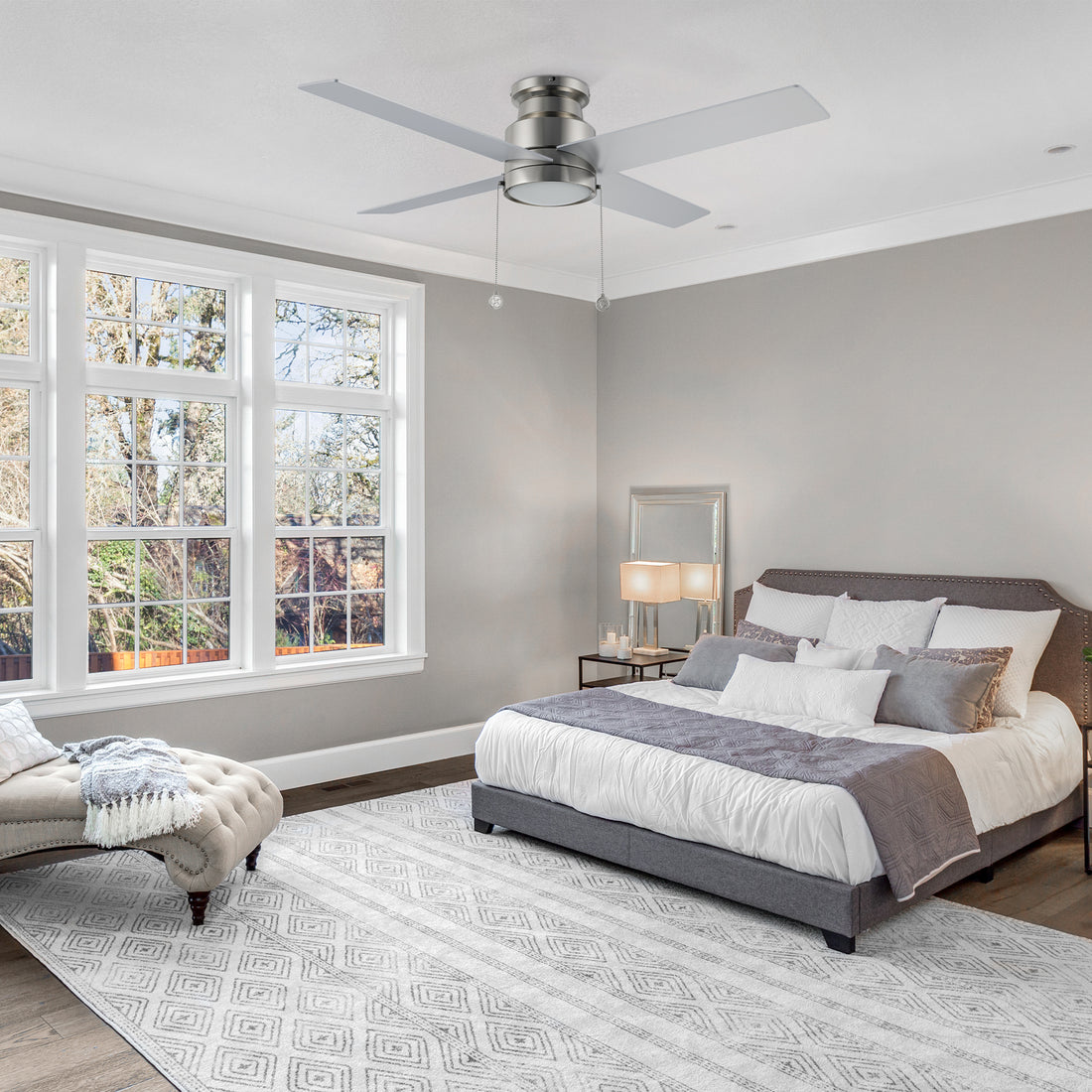 Luft Flush Mount Ceiling Fan with LED Light and Pull Chain 52 inch
Luft Flush Mount Ceiling Fan with LED Light and Pull Chain 52 inch
- Regular price
-
$129.00 - Regular price
-
$149.00 - Sale price
-
$129.00
Quick view
-
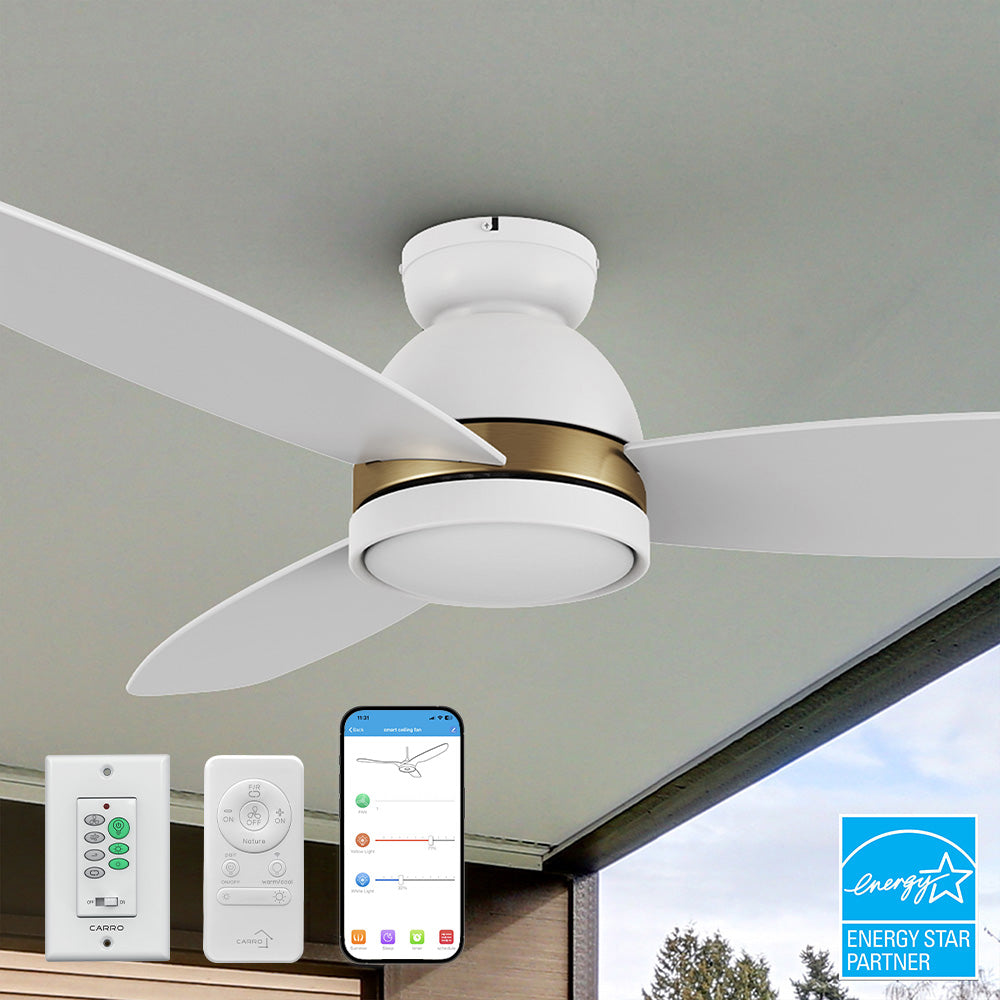 Biscay Ⅱ Outdoor Flush Mount Smart Ceiling Fan with Led light remote 52 inch
Biscay Ⅱ Outdoor Flush Mount Smart Ceiling Fan with Led light remote 52 inch
- Regular price
-
From
$170.10 - Regular price
-
$249.00 - Sale price
-
From
$170.10
10% couponQuick view
-

 Olinda Flush Mount Ceiling Fan with LED Light and Wall Switch 52 inch
Olinda Flush Mount Ceiling Fan with LED Light and Wall Switch 52 inch
- Regular price
-
$159.00 - Regular price
-
$209.00 - Sale price
-
$159.00
$50 couponQuick view
-
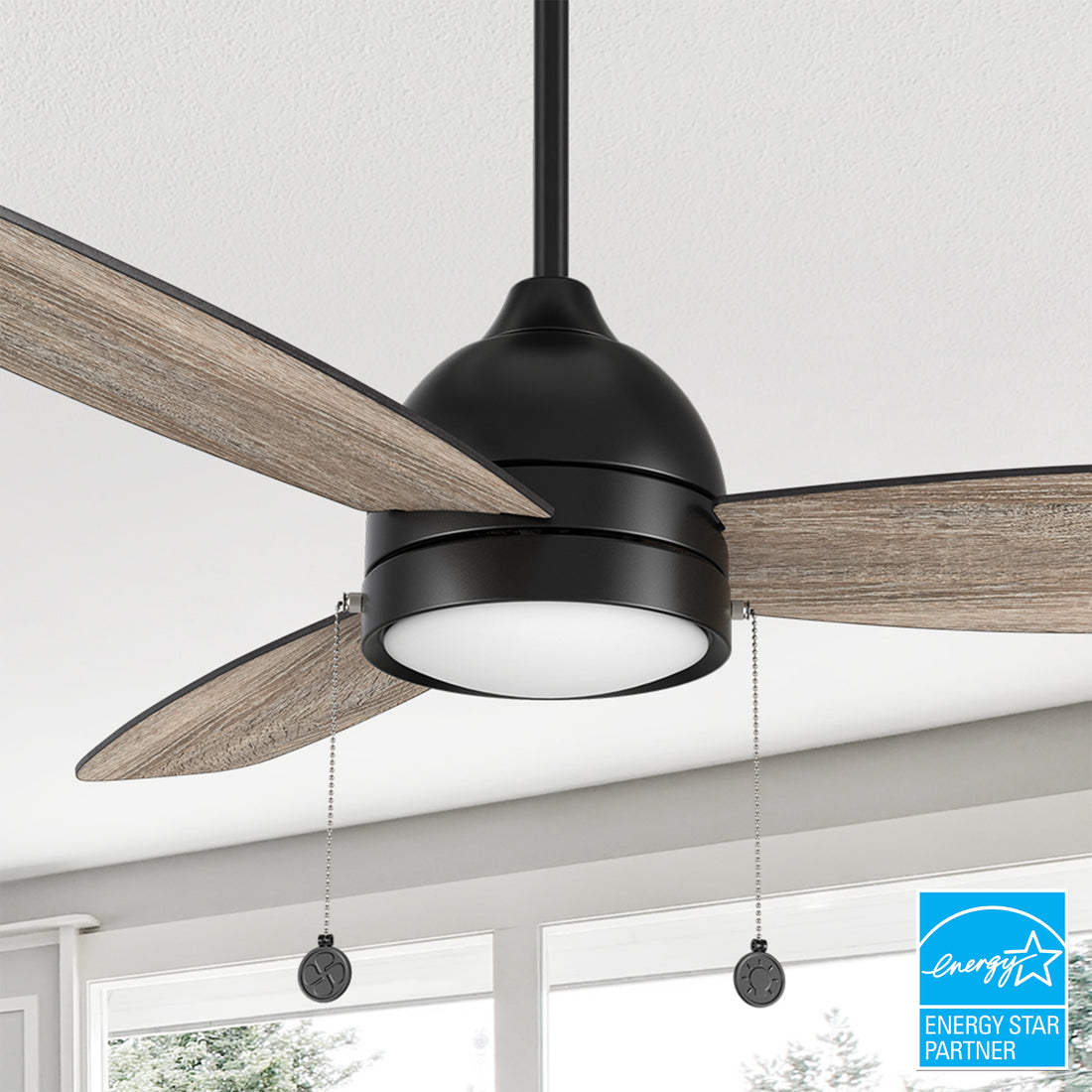
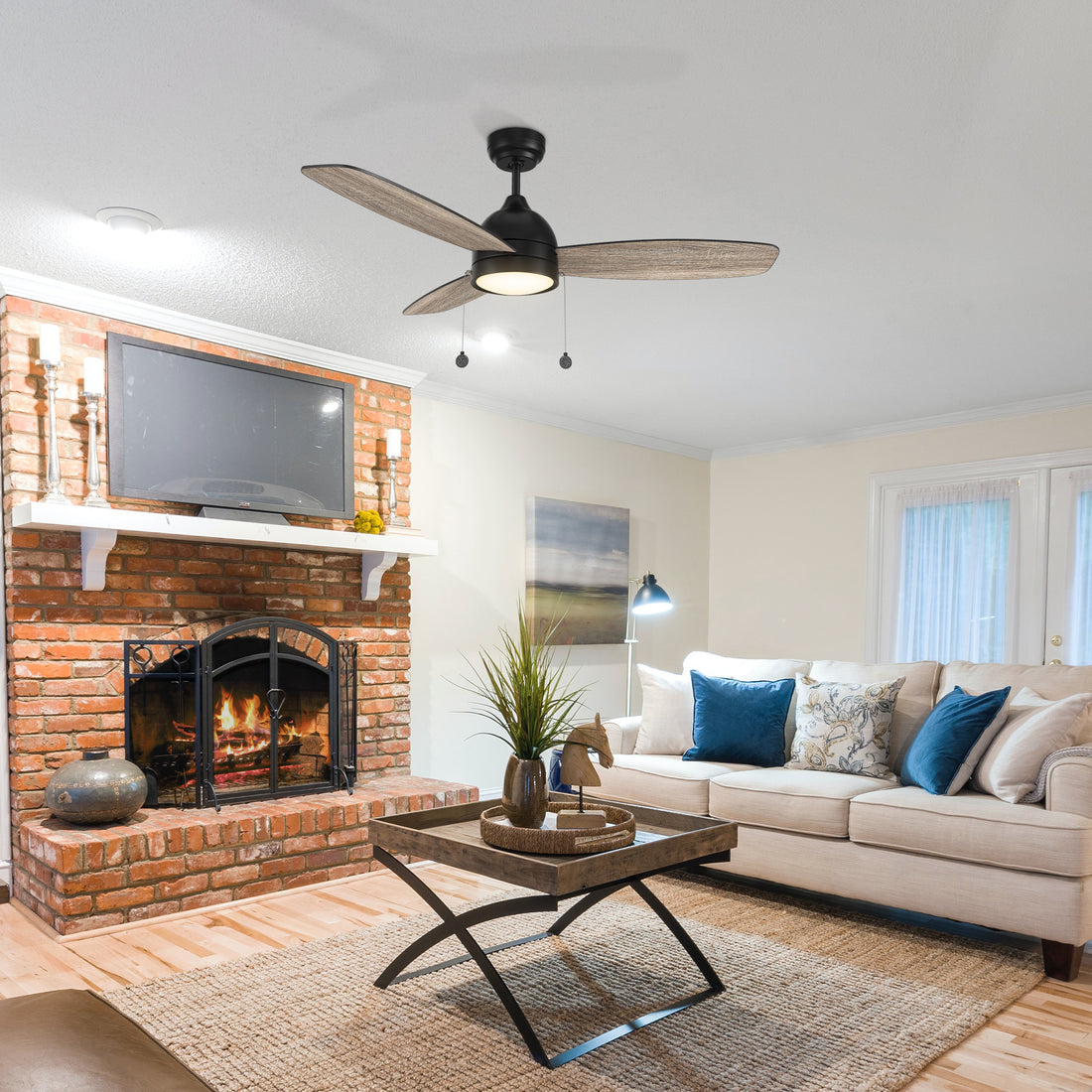 Tesoro 52 Inch Ceiling Fan with LED Light and Pull Chain
Tesoro 52 Inch Ceiling Fan with LED Light and Pull Chain
- Regular price
-
$116.10 - Regular price
-
$179.00 - Sale price
-
$116.10
10% couponQuick view
-
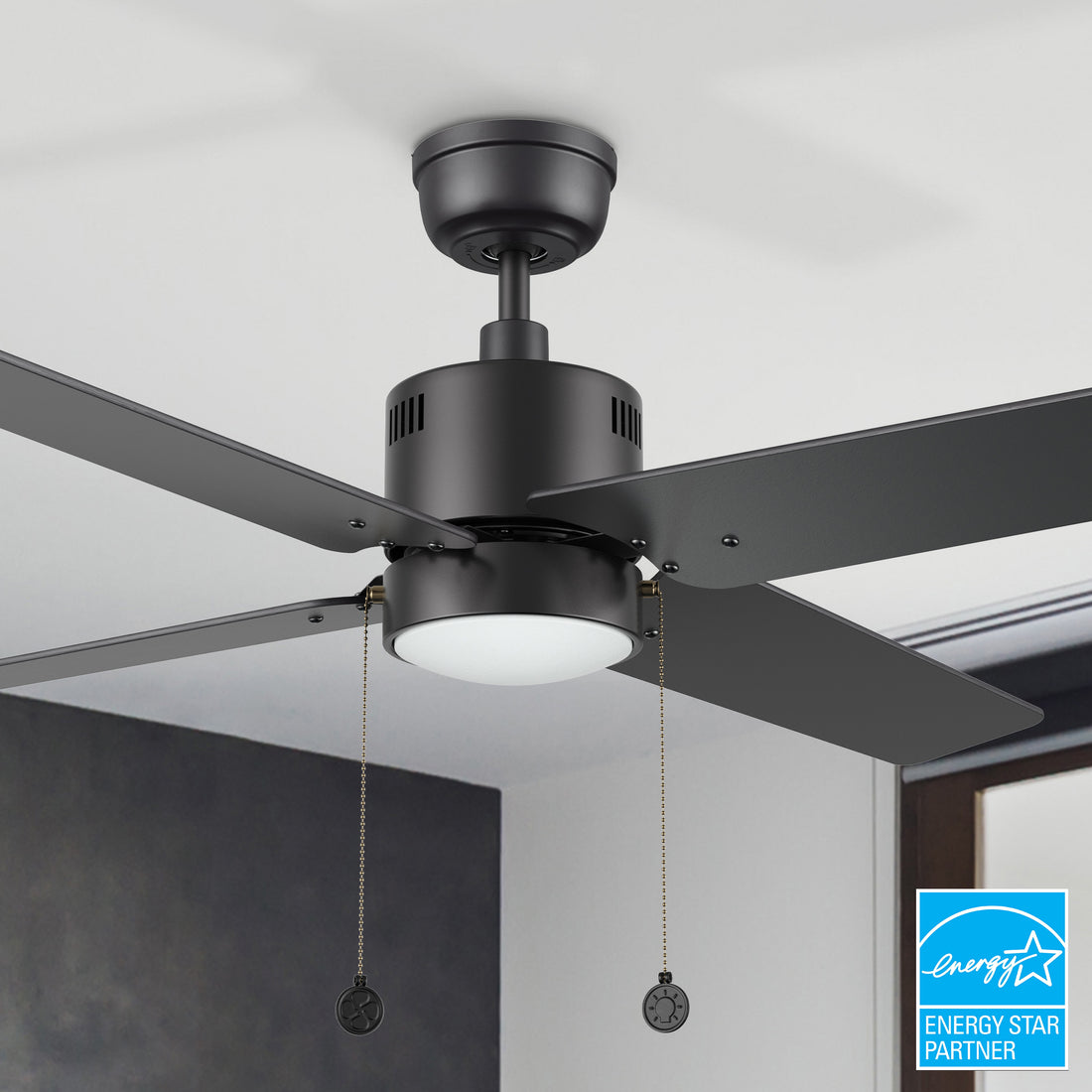
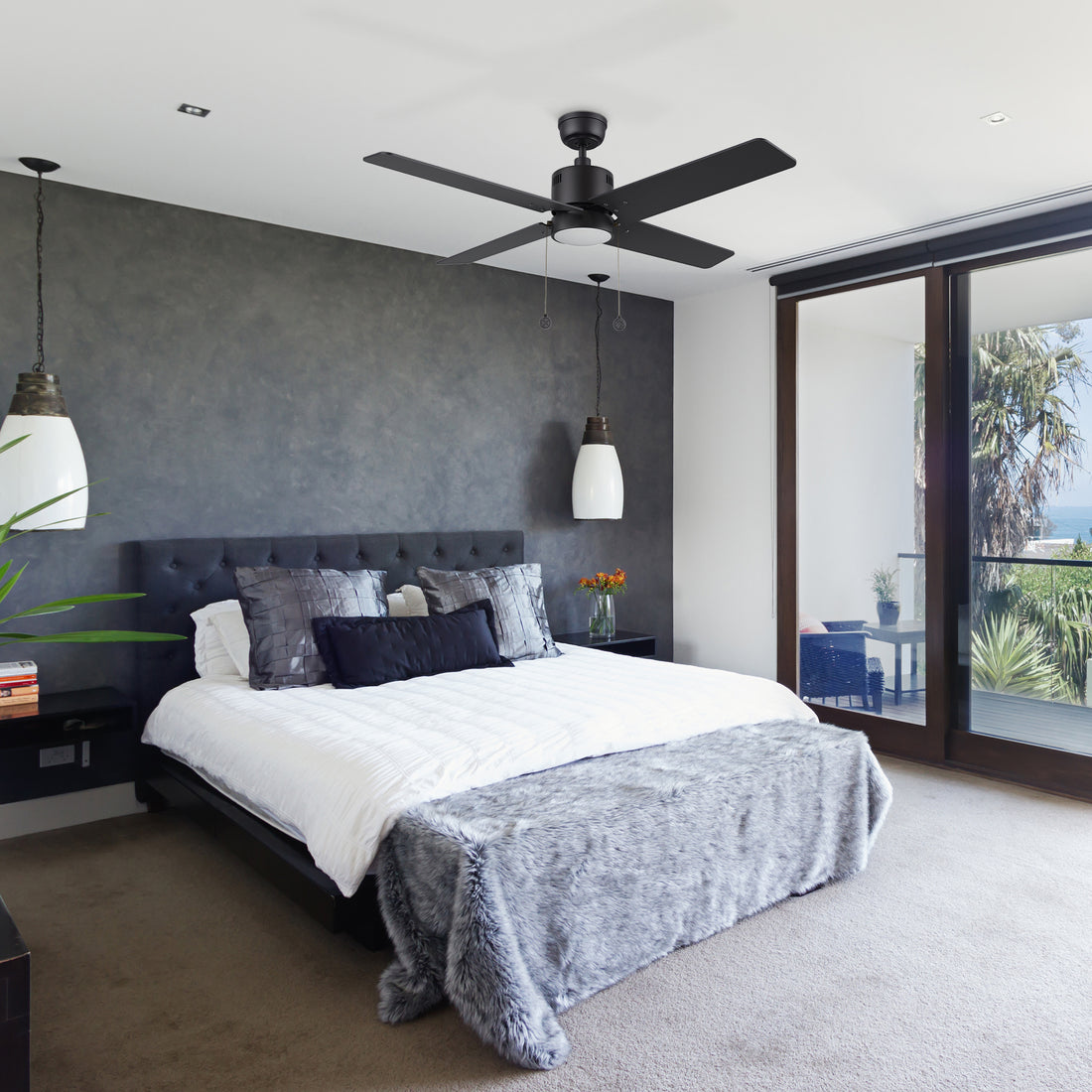 Rowan Modern Black Ceiling Fan with LED Light - Quiet Indoor Fan 52 inch
Rowan Modern Black Ceiling Fan with LED Light - Quiet Indoor Fan 52 inch
- Regular price
-
$129.00 - Regular price
-
$149.00 - Sale price
-
$129.00
Quick view
-

 Terrassa 52 inch Ceiling Fan with LED Light and Pull Chain
Terrassa 52 inch Ceiling Fan with LED Light and Pull Chain
- Regular price
-
From
$119.00 - Regular price
-
$149.00 - Sale price
-
From
$119.00
Quick view


Other Customer Also Like
-
Icebreaker 52 inch Smart Ceiling Fan with LED Light and Remote
Icebreaker 52 inch Smart Ceiling Fan with LED Light and Remote
- Regular price
-
From
$159.00 - Regular price
-
$384.00 - Sale price
-
From
$159.00
Quick view
-
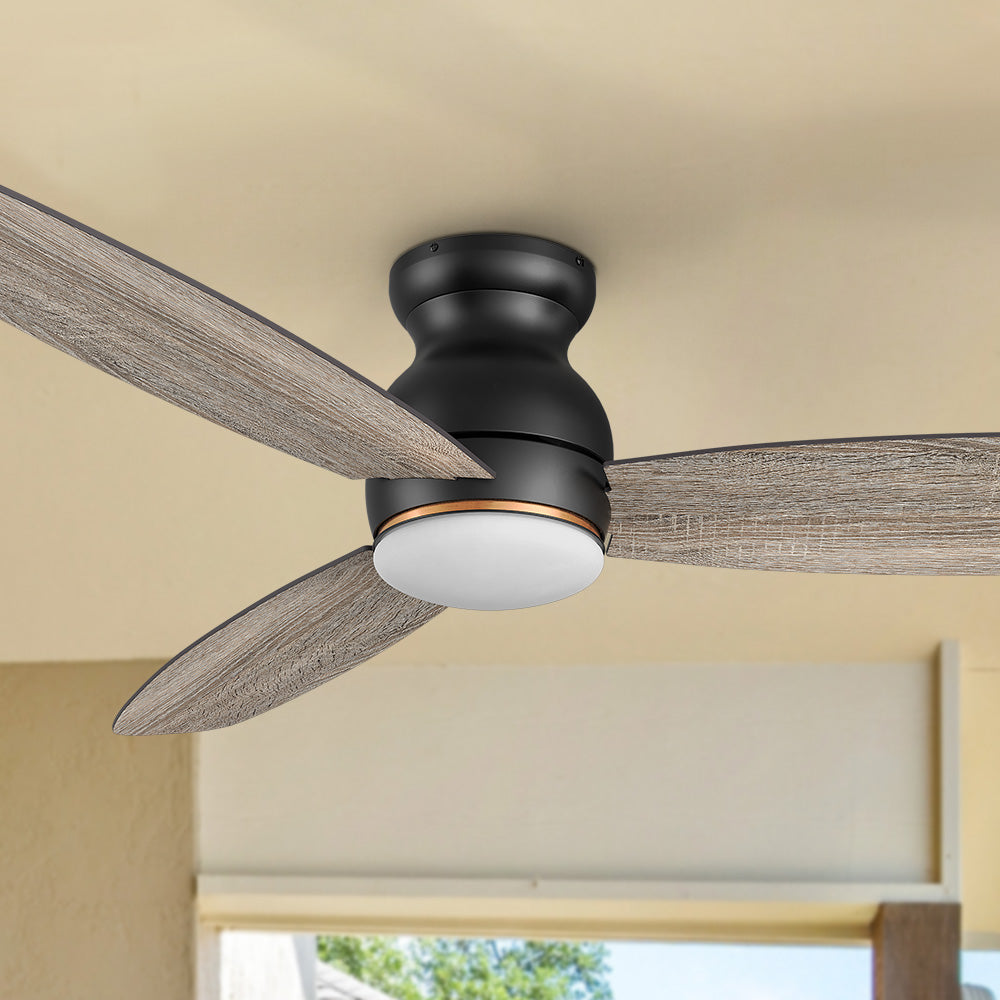 Trendsetter Pro Outdoor Low Profile Smart Fan with LED Light Remote 60 inch
Trendsetter Pro Outdoor Low Profile Smart Fan with LED Light Remote 60 inch
- Regular price
-
$160.65 - Regular price
-
$299.00 - Sale price
-
$160.65
15% couponQuick view
-
Cresta 52 inch Smart Ceiling Fan with Integrated LED Light and Remote
Cresta 52 inch Smart Ceiling Fan with Integrated LED Light and Remote
- Regular price
-
$89.00 - Regular price
-
$289.00 - Sale price
-
$89.00
flash saleQuick view
-
 Striver Pro Low Profile Outdoor Smart Fan with LED light and Remote 52 Inch
Striver Pro Low Profile Outdoor Smart Fan with LED light and Remote 52 Inch
- Regular price
-
From
$144.00 - Regular price
-
$299.00 - Sale price
-
From
$144.00
10% couponQuick view

Energy Efficient Ceiling Fans – ENERGY STAR Certified
Every fan in this collection is ENERGY STAR certified and built around an advanced DC motor, so you get powerful, whisper-quiet airflow while using up to 70% less electricity than a comparable AC fan. Choose from indoor, damp-rated outdoor, and smart models—many with dimmable LED lighting and control by remote, wall switch, app, or voice. Lower your bills, cut your reliance on the AC, and upgrade your space at the same time.
Why an Energy-Efficient Ceiling Fan Is Worth It
A ceiling fan doesn't lower the air temperature—it moves air across your skin to create a wind-chill effect that makes a room feel about 4–6°F cooler. That lets you raise the thermostat several degrees in summer without losing comfort, so your air conditioner runs less and your bill drops. Run an efficient DC fan 8+ hours a day and it typically costs only a few dollars a year to operate, while saving far more than that in reduced cooling. The efficiency works both ways: reverse the blades in winter and the fan pushes warm air back down from the ceiling, easing the load on your heating system too.
Beyond the savings, an ENERGY STAR fan runs quieter, moves air more evenly across the whole room instead of just below the blades, and uses less power to do it—an easy, lasting way to make your home more comfortable and more sustainable.
What Actually Makes a Ceiling Fan Efficient
Two same-size fans can differ by 50% or more in the power they draw, so it pays to know what to look for. Three things drive real efficiency, and every fan in this collection is built with all three in mind.
A DC Motor Instead of an AC Motor
The motor is the single biggest factor. Traditional AC motors are cheap but power-hungry and often noisy, with only three fixed speeds. A modern DC motor uses up to 70% less electricity to move the same air, runs near-silent even on high, and gives you 6–10 precise speeds—so you can dial in exactly the airflow you want for sleeping, reading, or cooling a hot afternoon. Browse the full DC motor ceiling fans collection to see the most efficient motors in our lineup.
A High CFM-per-Watt Rating
Airflow is measured in CFM (cubic feet per minute), but the number that defines efficiency is CFM per watt—how much air the fan moves for each watt it consumes. A higher figure means more cooling for less power. It's the exact metric the EPA uses to certify fans, so it's the one worth comparing when two models look similar on paper.
ENERGY STAR Certification and LED Lighting
An ENERGY STAR ceiling fan meets strict efficiency standards set by the U.S. EPA and is verified to hit its CFM-per-watt targets across low, medium, and high speeds—so the performance is independently confirmed, not just a marketing claim. Pair that with an integrated, dimmable LED light kit, which uses a fraction of the energy of incandescent bulbs, and one fixture cools and lights the room at minimal cost.
How to Choose the Right Energy-Efficient Fan for Your Space
The most efficient fan is the one correctly matched to the room. A fan that's too small strains on high and still under-circulates, while the wrong rating shortens its life outdoors. Get these four things right and the fan runs efficiently for years.
- Size: Match blade span to room size—36–44 inch for rooms up to ~100 sq ft, 44–52 inch for mid-size bedrooms and dining rooms, and 52 inch or larger for living rooms and open spaces of roughly 145–400 sq ft. The 52 inch ceiling fans collection fits the most common American room sizes and is a safe starting point.
- Location: Indoor fans suit bedrooms and living rooms; covered patios and porches need a damp-rated model; fully exposed spots need a wet rating. Browse outdoor ceiling fans for weather-ready options with the same quiet efficiency as our indoor fans.
- Lighting: For rooms without existing overhead light, a fan with an integrated dimmable LED kit cools and lights in one fixture. See the full range of ceiling fans with lights.
- Control: Remote, wall switch, and pull-chain models are all available. Smart ceiling fans add app scheduling and voice control through Alexa, Google Assistant, and Siri Shortcuts—which cuts energy further by making it easy to run the fan only when a room is occupied.
For a low ceiling, mounting matters as much as size: a flush-mount fan keeps the blades a safe distance from the floor without sacrificing airflow. Our low-profile ceiling fan buying guide walks through choosing the right mount for 8-foot and lower ceilings.
Shop Smafan Energy-Efficient Ceiling Fans
Every fan here combines a quiet DC motor, verified ENERGY STAR efficiency, and modern design—usually at a lower price than comparable premium brands, with free shipping. Whether you want a minimalist flush mount, a farmhouse wood-blade look, or a statement piece from our designer ceiling fans range, you'll find an efficient option that lowers your bills and elevates the room. Shop the collection above.
Frequently Asked Questions
Do energy-efficient ceiling fans really save money?
Yes. The savings come mainly from your air conditioner, not the fan itself. Because a fan makes you feel 4–6°F cooler, you can raise the thermostat a few degrees and the AC cycles far less. A DC-motor fan also costs only a few dollars a year to run, so the net effect is a lower monthly bill in cooling season.
How much electricity does an efficient ceiling fan use?
A DC-motor ceiling fan draws roughly 5–35 watts depending on speed—far less than the 60–100 watts a traditional AC fan can pull on high. Over a summer of daily use, that difference adds up to a meaningful cut in operating cost, before you even count the AC savings.
What is the difference between a DC and an AC motor fan?
AC motors are cheaper up front but use more power, run louder, and usually offer only three speeds. DC motors use up to 70% less electricity, run near-silent even at top speed, and provide 6–10 precise speeds plus easy reverse. For efficiency, quiet, and control, a DC fan is the better long-term choice—and it's what powers nearly every fan in this collection.
What does ENERGY STAR certification actually mean for a ceiling fan?
It means the fan has been independently verified to meet strict airflow-efficiency standards (CFM per watt) set by the U.S. EPA across all speeds. In short, its efficiency is proven, not just claimed—so you can trust the performance and the savings.
What size energy-efficient ceiling fan do I need?
Match blade span to the room: 36–44 inch for small rooms up to ~100 sq ft, 44–52 inch for mid-size rooms, and 52 inch or larger for living rooms and open areas of about 145–400 sq ft. A correctly sized fan moves air efficiently at a lower speed, while an undersized one wastes energy straining on high.
What is CFM per watt, and why does it matter?
CFM per watt measures how much air a fan moves for every watt it uses—the truest indicator of efficiency. A higher number means more cooling for less power. It's the standard the EPA uses to certify fans, which makes it the best figure to compare when two models look alike.
Can I use an energy-efficient ceiling fan outdoors?
Yes, as long as it's rated for the spot. Covered patios and porches need a damp-rated fan; fully exposed areas need a wet rating. Many ENERGY STAR fans are built for outdoor use and deliver the same quiet efficiency and savings as indoor models.
Do energy-efficient ceiling fans help in winter?
They do. Set the blades to spin clockwise on low and the fan pulls cool air up and pushes warm air—which naturally collects near the ceiling—back down along the walls. This redistributes heat so your furnace runs less, making the fan a year-round saver, not just a summer one.
Are LED ceiling fans more energy efficient?
Yes. Integrated LED light kits use a fraction of the energy of incandescent or halogen bulbs, last far longer, and are usually dimmable. Pairing an LED kit with a DC motor gives you the most efficient combination of cooling and lighting in a single fixture.
Do smart ceiling fans use more electricity?
No. The Wi-Fi radio draws a negligible amount of standby power. In practice, smart fans often lower consumption, because scheduling, timers, and voice control make it easy to run the fan only when and where you actually need it.
Can a ceiling fan replace my air conditioner?
Not in extreme heat, but it's a powerful complement. By making a room feel several degrees cooler, a fan lets you set the thermostat higher and lean on the AC far less—cutting cooling costs significantly in most climates while keeping you comfortable.
Which direction should my ceiling fan spin to save energy?
Counterclockwise in summer to push air straight down for a cooling breeze, and clockwise on low in winter to circulate warm air. Using the correct direction each season is a free, simple way to get the most savings from your fan.
Are Smafan energy-efficient ceiling fans hard to install?
No. Each fan ships with clear instructions and flexible mounting hardware for standard 8–9 ft ceilings, plus low-profile options for lower rooms. If ceiling height is tight, our low-profile ceiling fan buying guide covers choosing the right mount.
Are efficient ceiling fans worth the higher upfront cost?
For most homes, yes. A DC, ENERGY STAR fan costs a little more than a basic AC model, but the lower running cost and reduced AC use typically recover the difference within a couple of cooling seasons—and you get quieter operation and better airflow the whole time.